

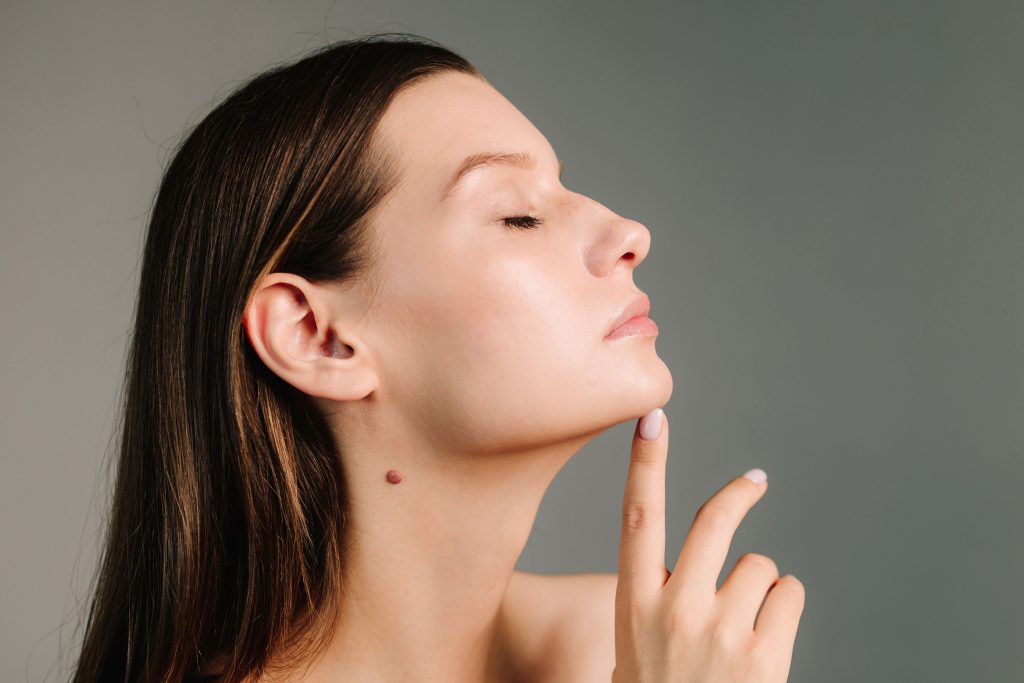
Temporomandibular joint (TMJ) disorders affect the hinge connecting your jaw to your skull and the muscles responsible for chewing, speaking, and yawning. When this system becomes strained or overworked, it can cause persistent pain and interfere with normal jaw function.
Common TMJ symptoms include:
- Aching pain in the jaw, cheeks, or around the ears
- Headaches or facial tension, especially later in the day
- Clicking, popping, or grinding sensations in the jaw
- Difficulty or discomfort when chewing
- Jaw locking or limited opening
One major muscle involved in TMJ is the masseter, which is the strong chewing muscle located at the angle of your jaw. If this muscle is overactive, often due to habitual clenching or grinding, it can become enlarged, sore, and a primary source of TMJ pain.
How Can Botox Help TMJ and Jaw Clenching?
Botox is a neuromodulator that temporarily relaxes overactive muscles by blocking the nerve signals that cause them to contract. When injected into the masseter, it reduces excessive jaw clenching and grinding while preserving normal chewing function.
For TMJ-related jaw tension, masseter Botox can:
- Decrease constant muscle contraction that causes pain
- Reduce pressure on the temporal mandibular joint itself
- Soften clenching, especially at night
- Diminish tension headaches related to jaw overuse
While Botox does not cure structural joint issues, it can be an effective non-surgical way to manage muscle-driven TMJ symptoms and improve comfort in daily life.
How Do Masseter Botox Injections Work for Jaw Pain?
Masseter Botox treatment involves small, precise injections into the thick portion of the masseter muscle on each side of the jaw. Within days, the muscle’s ability to contract forcefully is reduced, breaking the cycle of clenching and discomfort.
What you can typically expect during masseter Botox treatment:
- Numbing cream or ice may be used for comfort
- A series of quick injections along the outer jaw muscle
- Treatment time of about 10 to 15 minutes
- Minimal downtime (most patients return to normal activities right away)
Because the masseter muscle is strong, it usually requires more Botox units than cosmetic areas like the forehead. Most people notice improvement in 3 to 7 days, with the full effects appearing in about two weeks.
What Benefits Can You Expect from Botox for TMJ?
Individuals seeking Botox for TMJ often want both relief from symptoms and improved jaw function. Many patients report feeling as though a tight band around their jaw has finally relaxed.
Potential benefits of masseter Botox for TMJ include:
- Reduced jaw pain and facial aching
- Fewer tension headaches related to clenching
- Less grinding or clenching, especially at night
- Decreased tenderness when chewing or talking
- A softer, less square jawline as the masseter muscle thins over time
Some patients also notice cosmetic improvement, as the enlarged masseter gradually slims and creates a more tapered lower face. While this aesthetic benefit is secondary, it can be a welcome bonus for those who feel their jaw looks wider from years of clenching.
Is Botox for TMJ Safe, and Are You a Candidate?
When performed by an experienced facial specialist, Botox injections in the masseter muscle are generally safe and well tolerated. Mild soreness or bruising at the injection site may occur but usually resolve quickly.
You might be a suitable candidate for TMJ Botox if you:
- Experience chronic jaw tension, pain, or fatigue
- Notice visible fullness at the angle of your jaw due to clenching
- Grind your teeth at night even with a night guard
- Have tried other conservative treatments with little relief
During your consultation, your provider will assess:
- Your pattern of jaw pain and clenching
- The size and activity level of your masseter and related muscles
- Your bite and any dental appliances in use
- Your medical history, medications, and prior injectable treatments
Since Botox is a temporary solution, most patients who benefit schedule maintenance sessions every few months to keep symptoms under control.
Why Choose Dr. Agata Brys for Facial Botox in New Jersey?
Treating TMJ with facial Botox requires both technical skill and a deep understanding of facial anatomy, function, and aesthetics. Dr. Agata Brys is a double board-certified facial plastic surgeon and otolaryngologist head and neck surgeon, specializing in facial surgery and injectables in Parsippany and Morristown, New Jersey.
At Agata Brys MD Facial Plastic Surgery, patients benefit from:
- Expertise focused exclusively on the face, neck, and related structures
- Thoughtful, anatomy-driven injection techniques for natural function and appearance
- Personalized treatment plans, including Botox, Dysport, and other injectables as needed
Dr. Brys offers a wide range of non-surgical injectable treatments, including Botox and Dysport, as part of her practice. Patients come from Morristown and surrounding areas, such as Livingston, Mendham, Chatham, Milburn, and Randolph for facial plastic surgery and injectable treatments.
What Is Treatment and Recovery Like for TMJ Botox?
Botox for TMJ is performed in the office and usually causes minimal disruption to your daily routine. Most patients describe the injections as quick pinches rather than painful.
Typical treatment and recovery:
- Appointments generally last 30 minutes or less
- Slight redness or swelling at injection sites, usually fading within hours
- Jaw may feel a bit tired for a few days as the muscle relaxes
- Full effects evident in 1 to 2 weeks with reduced clenching and better comfort
You can usually resume work and daily activities immediately. However, you may be advised to:
- Avoid rubbing or massaging the treated area for several hours
- Remain upright for a short time after the procedure
- Skip strenuous exercise for the rest of the day
Since the results are temporary, follow-up treatments are usually recommended every 3 to 4 months at first, with timing adjusted according to your individual response and goals.
How Do You Get Started with Botox for TMJ?
If you struggle with jaw pain, clenching, or tension that impacts your daily life, a consultation is the best way to get started. During your visit with Dr. Brys, you can discuss your symptoms, learn whether TMJ-related masseter Botox is suitable for you, and go over a personalized treatment plan.
When you’re ready, you can request a consultation at either the Morristown orParsippany office.